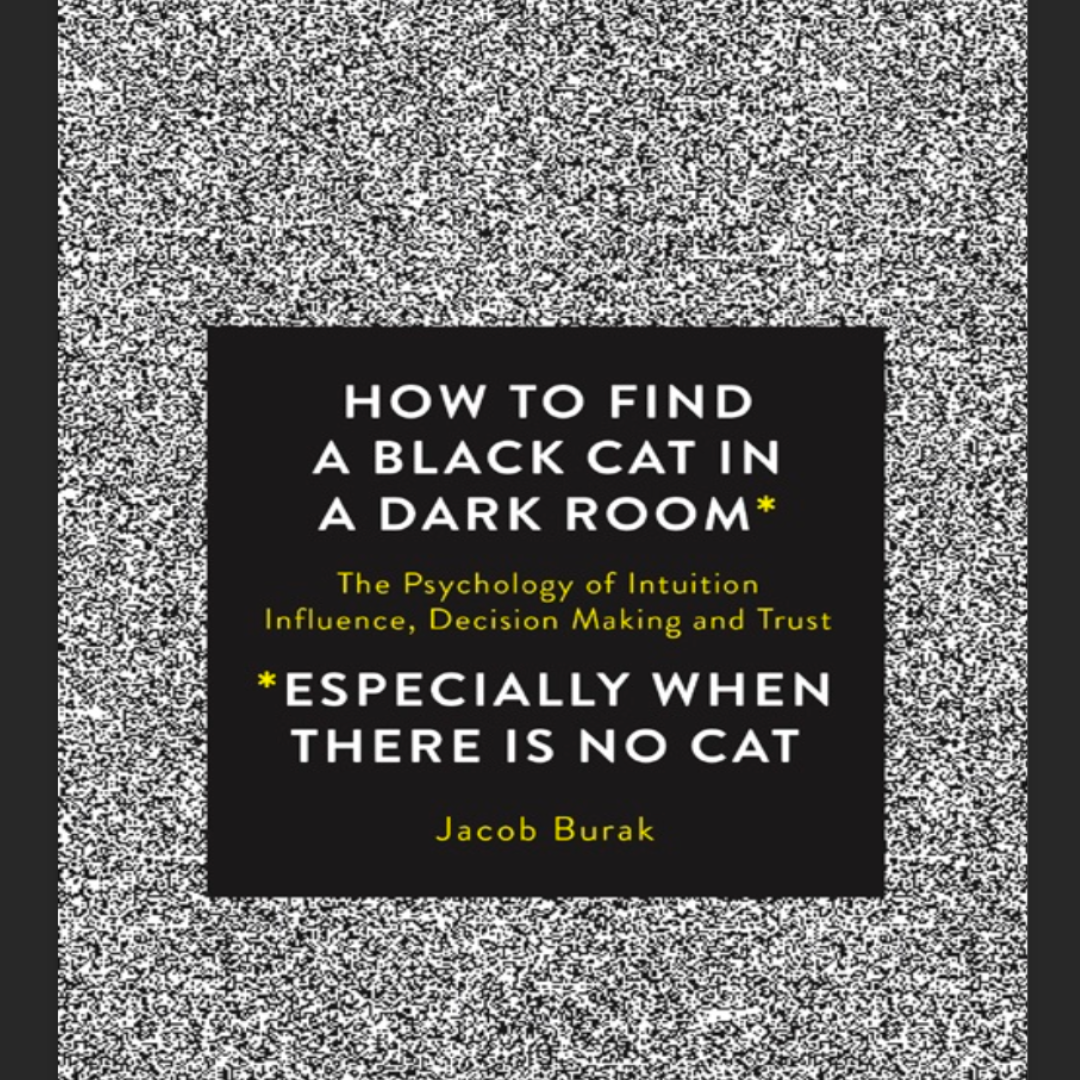
How to Find a Black Cat in a Dark Room: The Psychology of Intuition, Influence, Decision-Making, and Trust by Jacob Burak
Psychology of Intuition
Free
How to Find a Black Cat in a Dark Room: The Psychology of Intuition, Influence, Decision-Making, and Trust by Jacob Burak
Discovering the Intuitive Wisdom Beneath Everyday Choices
Who This Book is For:
Are you already aware of the subtle interplay between intuition and logic in your spiritual journey? Do you find yourself questioning how trust, decision-making, and unseen influences shape your interactions and inner life? This book is for those who seek to understand the psychological and spiritual dynamics behind their decisions and uncover the profound wisdom hidden in the “dark room” of the mind.
What Challenges This Book Addresses:
Difficulty Trusting Intuition in a Noisy World:
If you find it hard to distinguish between intuitive insight and external noise, this book offers practical insights into understanding and sharpening your inner voice.
Struggling with Bias and Misjudgment:
Even spiritual seekers can fall prey to subconscious biases. Burak explains how to identify and overcome these barriers to make wiser, more authentic choices.
Seeking Clarity in Complex Decisions:
When you face overwhelming choices, the book provides tools to integrate intuition and logic for a more holistic approach.
What You Will Learn:
The Psychology of Intuition:
Discover how intuition operates not as a mystical force but as a deeply rooted psychological skill that can be cultivated and trusted.
Recognizing Hidden Influences:
Explore how societal norms, cognitive biases, and subconscious fears impact your decisions and spiritual trust.
Example: The book discusses the role of the "Fear of Missing Out" (FoMO) in modern life and its influence on spiritual and personal fulfillment.
Balancing Intuition with Logic:
Learn practical frameworks for making decisions that honor both your intuitive wisdom and rational understanding.
Building Trust in Relationships:
Understand how trust is formed, maintained, and sometimes broken, offering spiritual and psychological tools to cultivate authentic connections.
Why This Book Will Deepen Your Journey:
Burak takes readers on a journey through the psychological underpinnings of intuition, showing how the same insights that guide decision-making in everyday life can also unlock deeper spiritual truths. With engaging examples and actionable strategies, this book helps spiritual seekers navigate the unseen complexities of life with clarity, trust, and confidence.
Using the principles from How to Find a Black Cat in a Dark Room, you can integrate intuition and psychological insights into both everyday decisions and significant life moments. Here’s a practical guide for applying these teachings:
In Day-to-Day Situations
Making Small Decisions with Intuition:
When faced with everyday choices (like what to say in a conversation or which task to tackle first), pause and tune into your intuitive sense.
Practice: Take three deep breaths, quiet your mind, and notice the first subtle feeling or thought that arises. Often, your intuition is a quick, quiet nudge.
Reducing Mental Clutter:
Avoid letting too much information overwhelm your decisions. Learn to recognize when you’ve gathered “enough” information and trust your inner wisdom to guide the next step.
Example: While grocery shopping, instead of overanalyzing options, trust your instinct about what feels right for your health and needs.
Detecting Hidden Influences:
Be aware of subconscious biases or societal pressures that might shape your decisions. Ask yourself:
Am I doing this because it feels right for me, or because it’s expected?
Example: Declining a social event you’re pressured to attend because it doesn’t align with your personal needs.
Strengthening Everyday Trust in Relationships:
Notice small cues in others' behavior that your intuition picks up on, such as body language or tone. Use these insights to deepen trust or address potential conflicts early.
Example: If you sense someone is upset but not saying it, gently ask if they’re okay instead of ignoring the feeling.
In Important Life Moments
Navigating Big Decisions (e.g., Career, Relationships):
Combine logic and intuition by writing down the pros and cons of a situation, then sitting quietly to feel which choice resonates most. Your body’s reaction often holds intuitive clues—pay attention to feelings of expansion (yes) or contraction (no).
Example: When deciding whether to accept a new job, listen to your gut as much as you consider salary or location. Does it feel energizing or draining?
Building Trust in Life’s Unknowns:
Major life events, like moving or starting a new relationship, often bring uncertainty. Instead of demanding certainty, focus on small, intuitive signals that guide you forward. Trust that clarity will unfold in steps.
Practice: Meditate on the question: What feels aligned with my highest self in this moment?
Overcoming Paralysis from Fear:
When fear clouds your judgment, use Burak’s teachings to recognize it as a natural reaction rather than an absolute truth. Intuition often lies just beneath fear, waiting for calm.
Example: Before a big presentation, acknowledge the fear but take a moment to visualize yourself succeeding. Your intuition will guide you toward your best approach.
Resolving Conflicts:
Trust your intuition to understand deeper motivations in a disagreement. Rather than reacting emotionally, take a moment to ask yourself: What’s really happening here?
Example: If someone criticizes you, your intuition might reveal their frustration comes from personal struggles rather than malice toward you. Respond with empathy instead of defensiveness.
Practical Tips for Intuitive Living
Daily Intuition Check-In:
Spend 5 minutes each morning tuning into your inner voice. Ask: What’s most important for me to focus on today?
This practice keeps you aligned with your deeper wisdom.
Question Before Reacting:
When faced with a sudden choice or emotional situation, pause and ask: What feels true for me right now?
Journaling for Clarity:
Write about significant decisions or confusing situations. Often, clarity emerges as you express your thoughts on paper.
Create an Intuition Toolkit:
Develop habits like breathwork, mindfulness, or visualization to reconnect with your inner guide whenever you feel lost or overwhelmed.
Why This Works
Intuition, as explained in the book, is not separate from your rational mind but a deeply rooted part of your consciousness that integrates experiences, emotions, and subtle cues. By consciously cultivating trust in this process, you’ll make decisions that feel more aligned and authentic, whether in small daily matters or life-changing moments.