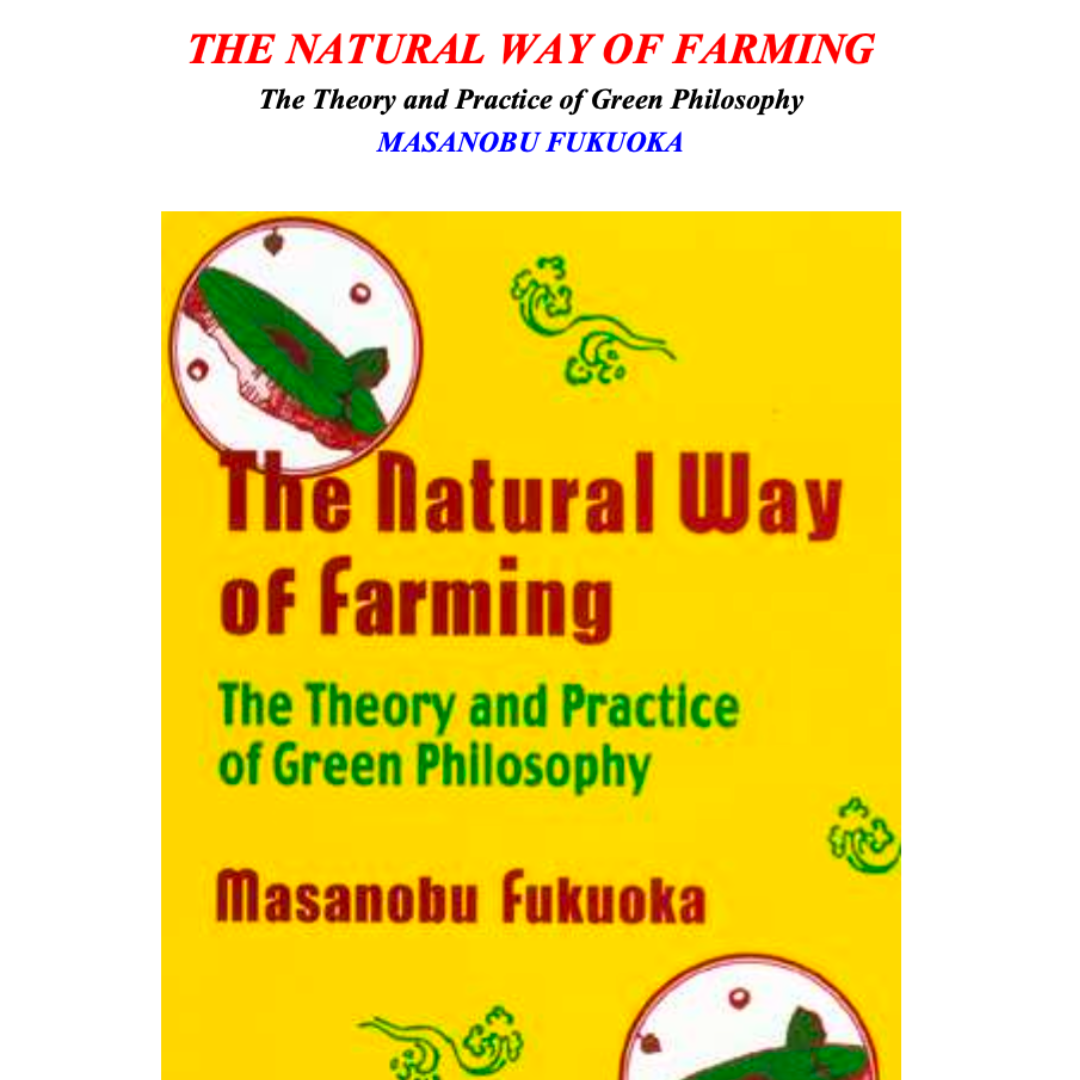
The Natural Way of Farming: The Theory and Practice of Green Philosophy by Masanobu Fukuoka
Natural way of Farming
Free
The Natural Way of Farming: The Theory and Practice of Green Philosophy by Masanobu Fukuoka
Reclaiming Harmony with Nature Through Farming and Spirituality
Who This Book is For:
Are you a spiritual seeker yearning for a deeper connection with nature? Do you sense that modern systems—whether in agriculture or life—pull humanity further from its sacred bond with the Earth? This book is for those who wish to embrace a way of living that harmonizes human action with natural rhythms, guided by spiritual simplicity and ecological wisdom.
What This Book Addresses:
The Crisis of Modern Disconnection:
If you feel alienated by the industrial and scientific approach to farming and life, Fukuoka’s philosophy invites you to let go of control and rediscover the sacred balance of the natural world.
Restoring Wholeness to Life and Land:
The book speaks to the spiritual and ecological harm caused by over-reliance on human intellect and intervention, offering a path to repair through non-action and trust in nature’s inherent intelligence.
Simplifying Spiritual and Practical Life:
For those overwhelmed by the complexity of modern systems, Fukuoka’s "do-nothing" philosophy shows how reducing unnecessary effort leads to a deeper understanding of both farming and spiritual fulfillment.
What You Will Learn:
Principles of Natural Farming:
Discover the five pillars of natural farming: no tillage, no fertilizer, no weeding, no pesticides, and no pruning, and how these principles reflect nature’s own ways.
The Spiritual Foundation of "Do-Nothing":
Learn how relinquishing control in farming mirrors the Buddhist principle of Mu (nothingness), fostering both ecological and spiritual harmony.
Practical Techniques Rooted in Nature:
Explore simple yet effective methods like clay seed balls for reforesting barren lands and fostering soil health through natural cycles.
Reconnecting to the Sacred in Everyday Life:
Beyond farming, this book shows how living in alignment with nature restores not just ecosystems but also the human spirit.
Why This Book Will Resonate with Spiritual Seekers:
Fukuoka challenges the reader to reflect deeply on the illusion of human control and the healing power of surrendering to nature’s wisdom. This isn’t just a farming manual—it’s a manifesto for living in communion with the Earth, embracing simplicity, and finding spiritual fulfillment through natural rhythms.
Creating a small home garden inspired by Masanobu Fukuoka’s The Natural Way of Farming focuses on working with nature rather than trying to control it. His approach is built on the principles of simplicity, minimal intervention, and harmony with natural processes. Here’s how you can start your home garden using his methods:
1. Adopt the Philosophy of “Do-Nothing Farming”
Mindset Shift:
Let go of the need to control every aspect of your garden. Trust nature’s ability to regenerate, balance, and sustain itself.
Fukuoka believed in reducing unnecessary effort—minimal tilling, no chemical fertilizers, and letting plants grow naturally.
2. Prepare the Soil Without Tilling
Why Avoid Tilling:
Tilling disrupts the natural structure of the soil, harming beneficial microorganisms and earthworms.
What to Do Instead:
Spread organic matter, like compost or mulch, directly onto the soil surface. This mimics how leaves and organic debris decompose in forests, enriching the soil naturally.
3. Use Seed Balls for Planting
What Are Seed Balls?
A mix of seeds, clay, and compost rolled into small balls. These protect the seeds from birds and harsh weather while maintaining moisture for germination.
How to Make Seed Balls:
Combine equal parts clay and compost.
Add a mix of seeds (vegetables, herbs, or wildflowers).
Roll into small balls and let them dry.
Scatter them on the soil and let nature take its course.
4. Avoid Chemical Inputs
No Fertilizers or Pesticides:
Fukuoka believed that plants get all the nutrients they need from the soil and natural ecosystems if left undisturbed.
Natural Alternatives:
Use companion planting to deter pests (e.g., marigolds near vegetables).
Allow beneficial insects and birds to manage pests.
5. Focus on Perennials and Diversity
Why Perennials?
Perennials, like fruit trees, berries, and certain herbs, require less maintenance and align with nature’s long-term cycles.
Planting Tips:
Combine annual vegetables (e.g., lettuce, radishes) with perennial plants to create a resilient, self-sustaining system.
6. Let Weeds and Ground Cover Grow
Fukuoka’s Take on Weeds:
Weeds are part of the ecosystem and protect the soil from erosion. Instead of pulling them out, manage their growth by cutting them back and using them as mulch.
Encourage Ground Cover:
Plant clover or other cover crops to suppress weeds and enrich the soil.
7. Observe and Learn from Nature
Spend time in your garden observing how plants, soil, water, and insects interact. Adjust your approach based on what nature reveals.
Practical Steps for a Fukuoka-Style Home Garden:
Choose Your Site:
Pick a sunny spot with access to water.
Prepare the Soil:
Spread a thick layer of organic mulch or compost directly on the ground.
Plant Seed Balls:
Scatter seed balls containing a mix of vegetables, flowers, and ground cover.
Add Perennials:
Plant a few fruit trees, berry bushes, or herbs that will grow year after year.
Maintain with Minimal Intervention:
Water as needed during dry periods, but let the ecosystem take care of itself as much as possible.
Harvest with Gratitude:
Collect what grows naturally without forcing productivity. Enjoy the process of co-creating with nature.
Why This Approach Works for a Spiritual Seeker
Fukuoka’s method is more than gardening—it’s a spiritual practice. By surrendering control, you align with the rhythms of the Earth and cultivate not just food, but a deeper connection to the natural world.
Would you like help designing a specific garden plan or a list of starter plants?